CUSTOMER LOGIN

BS 559-2: Three practical questions for signmakers

BS 559-2: Three practical questions for signmakers

A sign still needs managing after it leaves the workshop.
That is the issue behind proposed BS 559-2, the draft British Standard focused on the inspection and maintenance of interior and exterior signs. It gives signmakers a reason to look beyond installation and check whether each sign can be identified, reached and repaired later.
The draft is still under consultation, so it is not a published standard yet. Its scope shows which signs the discussion applies to.
These materials do not fail in the same way
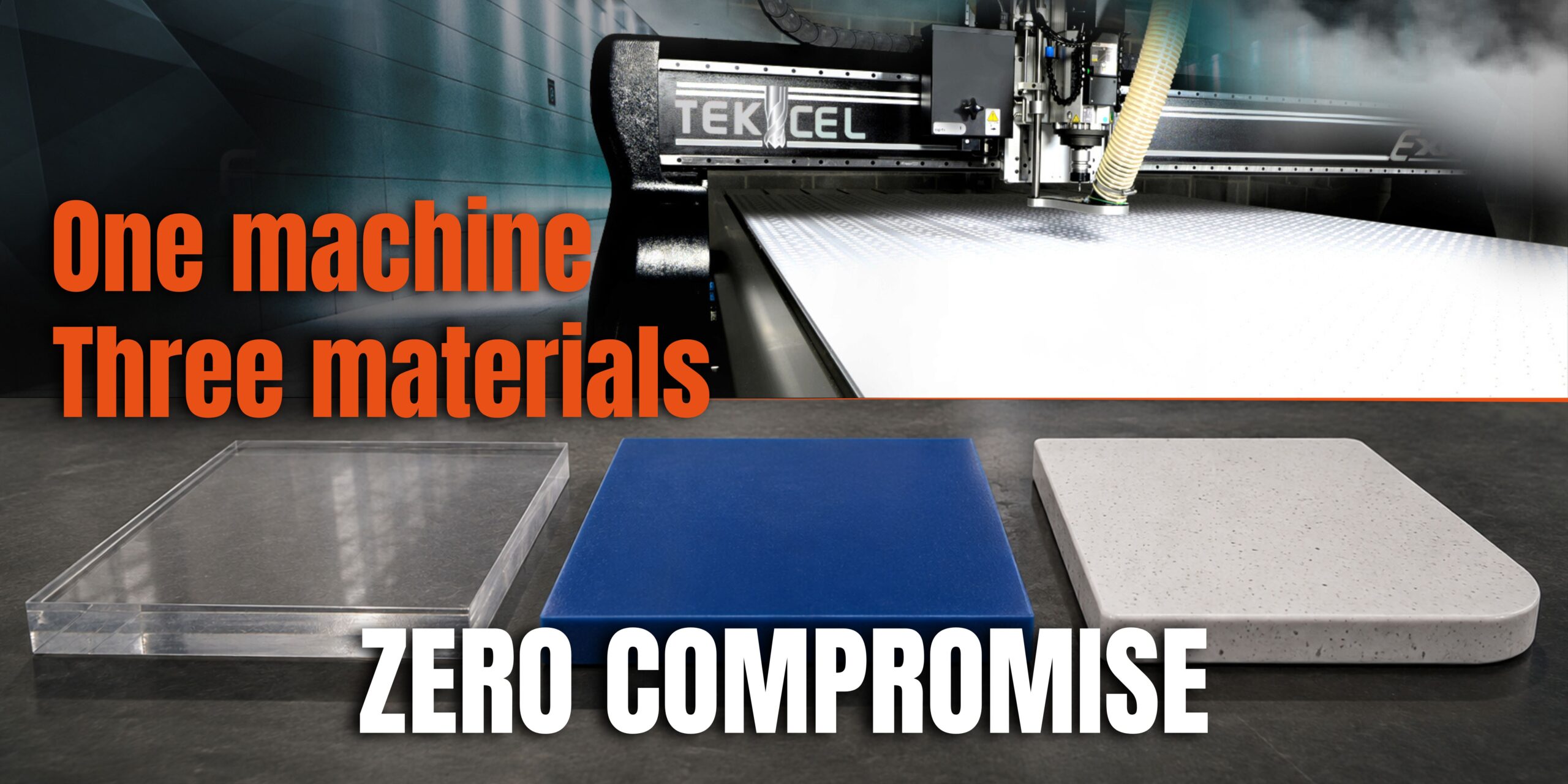
Polycarbonate is heat-sensitive in the cut. If chips are not clearing properly, the edge can soften, cloud or melt before the result is even fully off the bed. That is why shops often run it with O-flute or other single-flute style tooling, strong chip evacuation and feed rates that stop the cutter dwelling in the material too long. Typical spindle speed starting points can often sit around the mid-range rather than at the extremes, but the exact answer still depends on cutter diameter, pass depth, sheet thickness and edge finish requirements.
HDPE creates a different problem. It is softer, more flexible and more likely to create trouble through chip build-up, movement and re-welding around the cut if the setup is not right. Lower spindle speeds and more aggressive feed rates are often used as a starting strategy, but secure workholding is just as important. If the sheet moves or lifts, the cut quality will usually deteriorate long before the tool geometry itself becomes the first issue.
Solid surface behaves differently again. Corian, HI-MACS, Staron and similar materials are acrylic-based products with mineral filler, so they machine more like filled composites than standard thermoplastics. They are harder on tooling, and the edge quality becomes more visible because those parts often end up in countertops, retail fixtures or other finished surfaces where witness marks cannot simply be ignored.
What does the proposed standard cover?
The BSI Standards Development portal says the draft covers fixed and portable signs, illuminated and non-illuminated signs, advertising and decorative devices, sign elements and digital displays.
It excludes road traffic signs, safety signs, fire safety signs, trackside railway signs and airside airport signs. Those exclusions are important. This is not a proposed standard for every type of sign.
The consultation closes on 25 August 2026. The British Sign and Graphics Association says the aim is to make responsibilities clearer and improve how signs are managed over time.
For the exact wording, read the draft https://standardsdevelopment.bsigroup.com/projects/2025-01518 itself. The three questions below are our practical take on what it could mean in production.

1. What information leaves with the sign?
Years after installation, a building owner or facilities team may need to inspect the sign, identify a component or arrange a repair. That becomes harder when the original production information cannot be found.
A useful handover record should cover:
- the sign and its location
- the approved drawing or artwork revision
- overall dimensions and fixing positions
- material types, thicknesses, colours and finishes
- lighting or electrical information, if fitted
- the installation date and any later changes
- who is responsible for future inspection or maintenance
This is not about creating paperwork for its own sake. It is about giving the next person enough accurate information to understand what is installed.
The handover record also protects the production process. If a panel, letter or face needs replacing, the manufacturer has a clear starting point rather than relying on photographs, old emails or fresh site measurements.
2. Can the sign be inspected and repaired without unnecessary dismantling?
Maintenance becomes more difficult when access has only been considered after installation.
Before cutting starts, ask whether fixings can be inspected, serviceable parts can be reached and illuminated sections can be opened safely. Consider whether a damaged face or letter can be removed without destroying the surrounding assembly.
For larger signs, dividing the construction into replaceable elements can make future repairs simpler. That decision will depend on the design, location and construction method, but it needs to be made before the sign reaches production.
That is a production decision, not something to leave until the first repair. A visually strong sign can still create years of avoidable difficulty if nobody has planned for access or replacement.
3. Could the correct component be produced again?
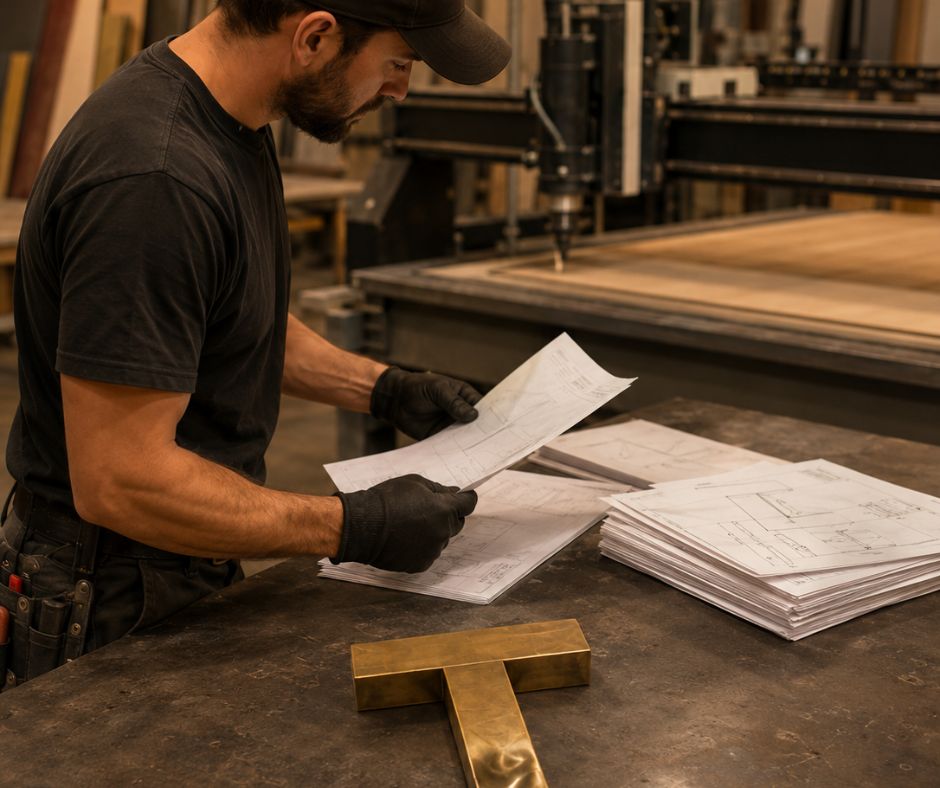
Keeping a file is not enough if nobody can confirm whether it is the approved version.
Production files should be tied to the correct sign, site, materials and revision. Changes made in the workshop or on site should go into the same record, not stay buried in an email or one person's memory.
With the right file and records, profiles, fixing points and dimensions can be carried into the replacement without recreating the part from the beginning.
Tekcel routers can process common signmaking materials including ACM, acrylic, rigid foamed PVC, plastics and wood-based boards. The same machine can support the original build and later replacement parts. The router does not make a sign compliant. It gives the manufacturer a repeatable way to remake the right component from the right file.

Use the consultation to test current practice
BS 559-2 is still a proposal. Signmakers should review the draft itself, decide whether it reflects the realities of inspection and maintenance, and submit comments during the consultation period.
They can also use it to test three parts of their current process:
- What information is handed over?
- Has access and replacement been considered before fabrication?
- Could the approved component be produced again from the records retained?
Those questions have value regardless of the final wording. A sign has a working life after installation. The production process should support it.
If your current router is holding back accurate repeat and replacement work, see what's included in the Tekcel EXR Trade In, Trade Up offer.
Further Blog Posts
Oct / 2026
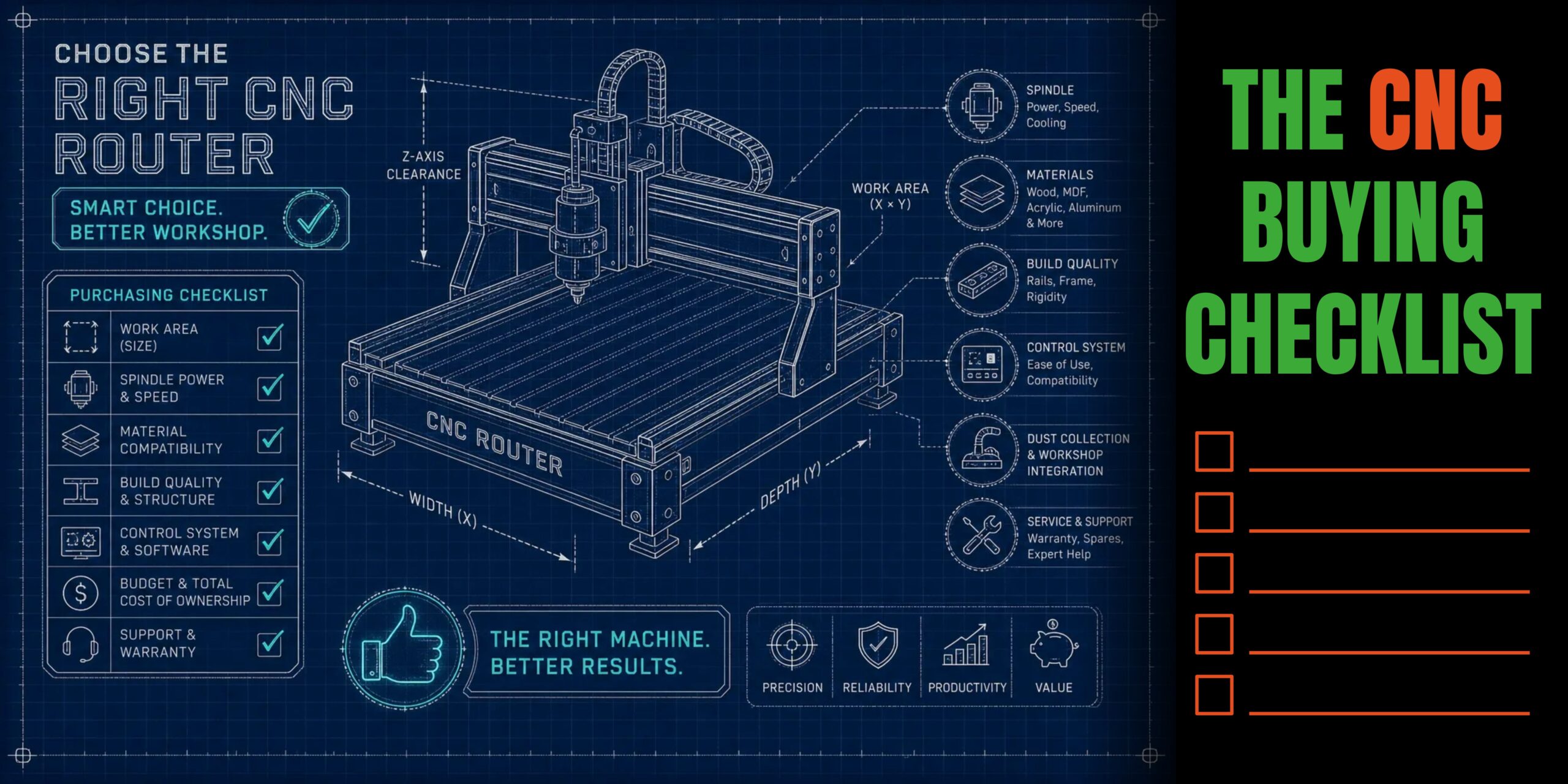
CNC router buying checklist: what to compare before you invest
Oct / 2026
The Hidden Cost of Rack & Pinion vs Ballscrew CNC Drives
Sep / 2026
Choosing your next CNC router: which work should drive the decision?
Aug / 2026
BS 559-2: Three practical questions for signmakers
Aug / 2026
Routing polycarbonate, HDPE and solid surface: why material versatility starts with the machine
Jul / 2026
How CNC cutting is reshaping retail interiors and displays

Jul / 2026
Why short-run structural packaging is becoming a CNC opportunity

Jun / 2026
The case for an ATC router in a metal fabrication shop