CUSTOMER LOGIN

The Overlooked Link Between CNC Reliability and Staff Retention
The Overlooked Link Between CNC Reliability and Staff Retention
Discussions about staff retention in manufacturing usually centre on pay, training or workplace culture.
Yet in CNC-driven workshops, one operational factor has a direct and measurable influence on whether skilled people stay: machine reliability.
CNC routers do more than produce parts. They shape the working environment in which operators, programmers and production managers perform their roles. When reliability becomes inconsistent, the impact is felt far beyond cycle times.
For CNC businesses operating in competitive labour markets, this connection deserves serious attention.
Reliability Shapes the Daily Working Environment
A reliable CNC router establishes rhythm on the shop floor.
Programs run predictably. Setups behave as expected. Standards are maintained without constant adjustment. Operators can concentrate on precision and material strategy rather than anticipating faults.
When reliability declines, the environment changes.
Operators double-check setups. Feed rates are moderated to prevent chatter. Production managers build contingency into schedules. Troubleshooting becomes part of standard workflow.
Output may still be achieved, but the working day becomes reactive rather than controlled.
Over time, that shift alters how people experience their role.
Skilled Operators Expect Machines to Match Their Standard
That expertise is not just technical knowledge. It is judgement. It is pattern recognition. It is the ability to anticipate outcomes before they occur and make small adjustments that prevent larger issues. It is built through repetition, consistency and accumulated experience across thousands of production hours.
That level of mastery depends on stable conditions.
When machine behaviour becomes unpredictable, expertise is diluted. Operators spend their time compensating rather than refining. Effort shifts from improving output to preserving it. The role becomes reactive rather than developmental.
In competitive labour markets, experienced staff gravitate towards workshops where their judgement improves results rather than merely stabilises them.
Investing in reliable CNC platforms signals that the business expects machines to operate at the same professional standard as its people.
Reliability Reduces Friction Across Teams
Modern manufacturing is collaborative.
Programming, machining, finishing and dispatch are interconnected. CNC reliability underpins that coordination.
When machines perform consistently, downstream teams trust part accuracy, rework reduces, production planning simplifies and shift handovers become smoother.
When performance becomes inconsistent, friction increases. Departments compensate for variability rather than focusing on throughput and quality.
Over time, this affects morale and team cohesion.
CNC reliability is therefore not only a technical issue. It influences how effectively people work together.

Recruitment Reflects Equipment Standards
Workshops are judged not just by customers, but by prospective employees.
Skilled CNC operators discuss workplaces within professional networks. Environments known for persistent machine issues, workarounds or outdated equipment find it harder to attract strong candidates.
By contrast, workshops operating stable, well-supported CNC routers demonstrate long-term intent.
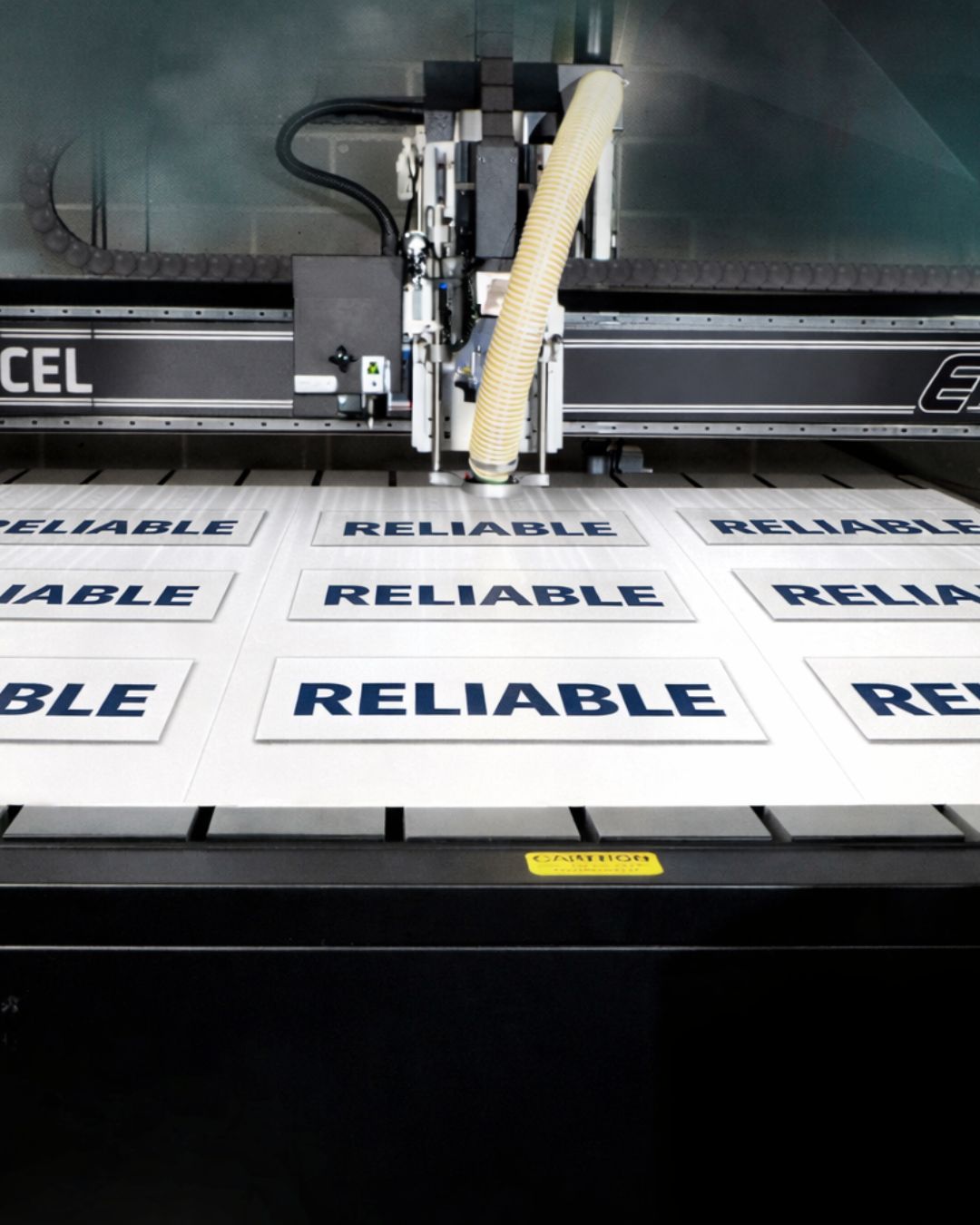
Platforms such as the Tekcel EXR 2m x 3m signal long-term intent and a commitment to consistent production standards.
That perception influences recruitment outcomes as much as salary packages.
Leadership Decisions Influence Staff Experience
CNC investment is typically evaluated through measurable outputs: productivity, efficiency, utilisation and return on capital.
Those metrics matter. However, leadership decisions about equipment also shape how sustainable daily production feels for the people running it.
Every production environment creates a certain level of cognitive demand. Some workshops require constant vigilance, adjustment and firefighting. Others allow operators to concentrate on refinement, optimisation and improvement.
That difference is not accidental. It stems from how seriously leadership treats operational stability as a priority rather than an assumption.
When machines require continuous supervision to maintain standards, mental fatigue increases. When systems behave predictably, attention can be directed toward quality and efficiency instead of risk management.
Leaders who recognise this broader impact evaluate CNC upgrades differently. They consider not only what the machine produces, but what it demands from the people operating it.
When Equipment Standards No Longer Align
Many workshops continue running older CNC routers that technically function, yet require increasing intervention.
Workarounds become routine. Preventative maintenance becomes reactive. Planning assumes minor disruption as standard.
At some stage, the question is no longer whether a machine runs, but whether it supports the standard the business expects from its team.
For workshops questioning whether their current CNC setup still aligns with operational goals, the next step is often a structured review rather than an immediate replacement.
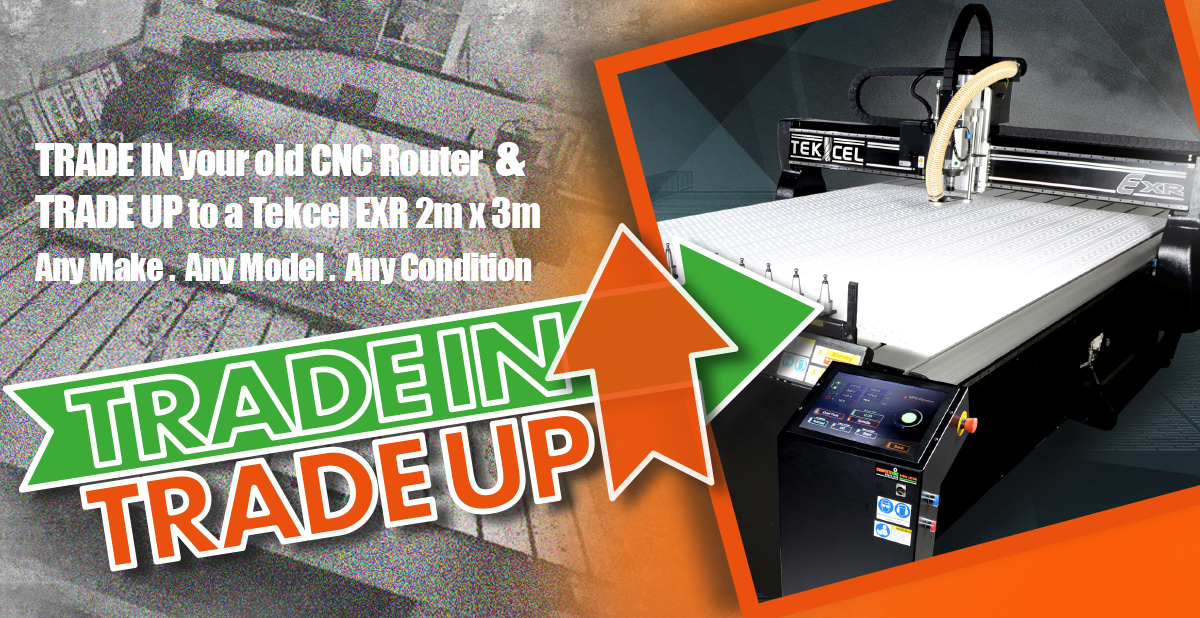
The Tekcel EXR Trade-In Programme is designed to remove the disruption typically associated with change. Existing routers are assessed and removed, installation and commissioning are managed, and training ensures teams transition smoothly to a modern CNC platform.
If you are reviewing whether your current equipment still supports your production standards and workforce expectations, you can explore how the trade-in process works here.
Reliability Is a Workforce Strategy
Retention is rarely decided in a single moment. It is shaped daily by how work feels.
When machines behave predictably, skilled operators refine, improve and take ownership. When variability becomes routine, effort shifts to containment.
In competitive labour markets, production stability is not optional. It is part of how businesses protect capability.
Reliability is not just an engineering concern. It is a strategic choice that defines whether talent builds with you or looks elsewhere.
For CNC businesses reviewing their long term equipment direction, that distinction deserves attention.
Further Blog Posts
Aug / 2026
BS 559-2: Three practical questions for signmakers

Aug / 2026
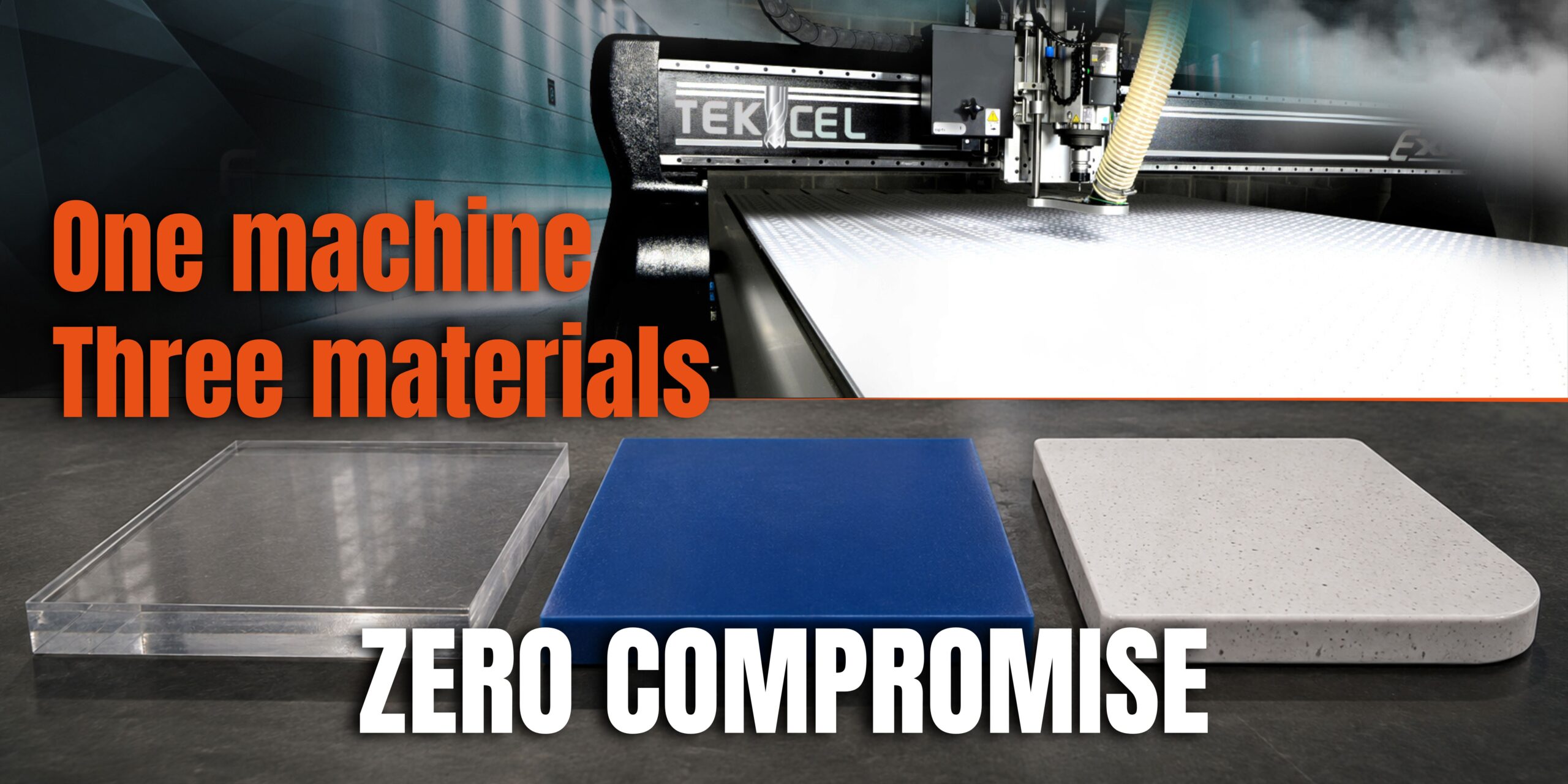
Routing polycarbonate, HDPE and solid surface: why material versatility starts with the machine
Jul / 2026
How CNC cutting is reshaping retail interiors and displays

Jul / 2026
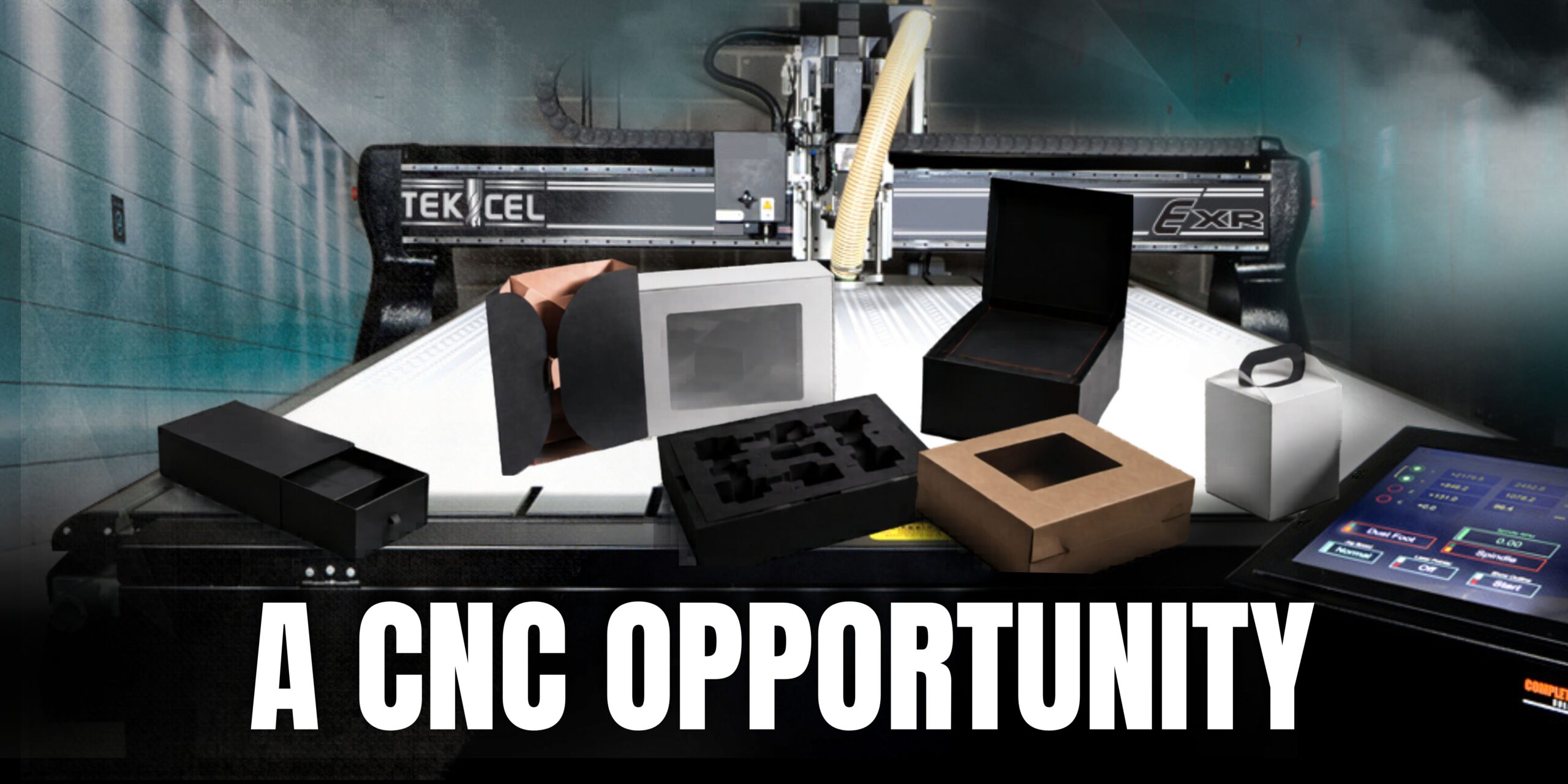
Why short-run structural packaging is becoming a CNC opportunity
Jun / 2026
The case for an ATC router in a metal fabrication shop
Jun / 2026
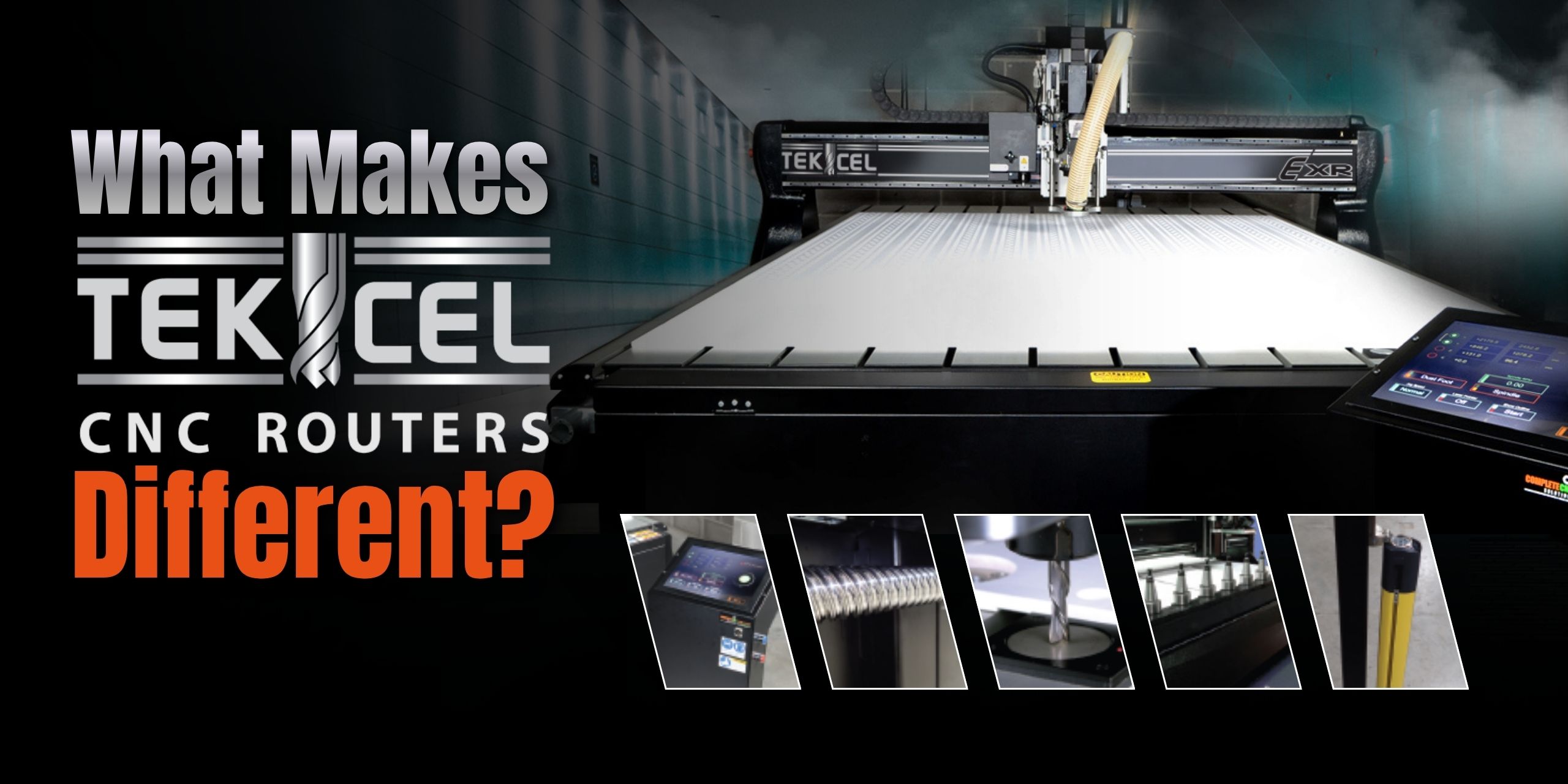
What makes the Tekcel EXR CNC Router different?
May / 2026
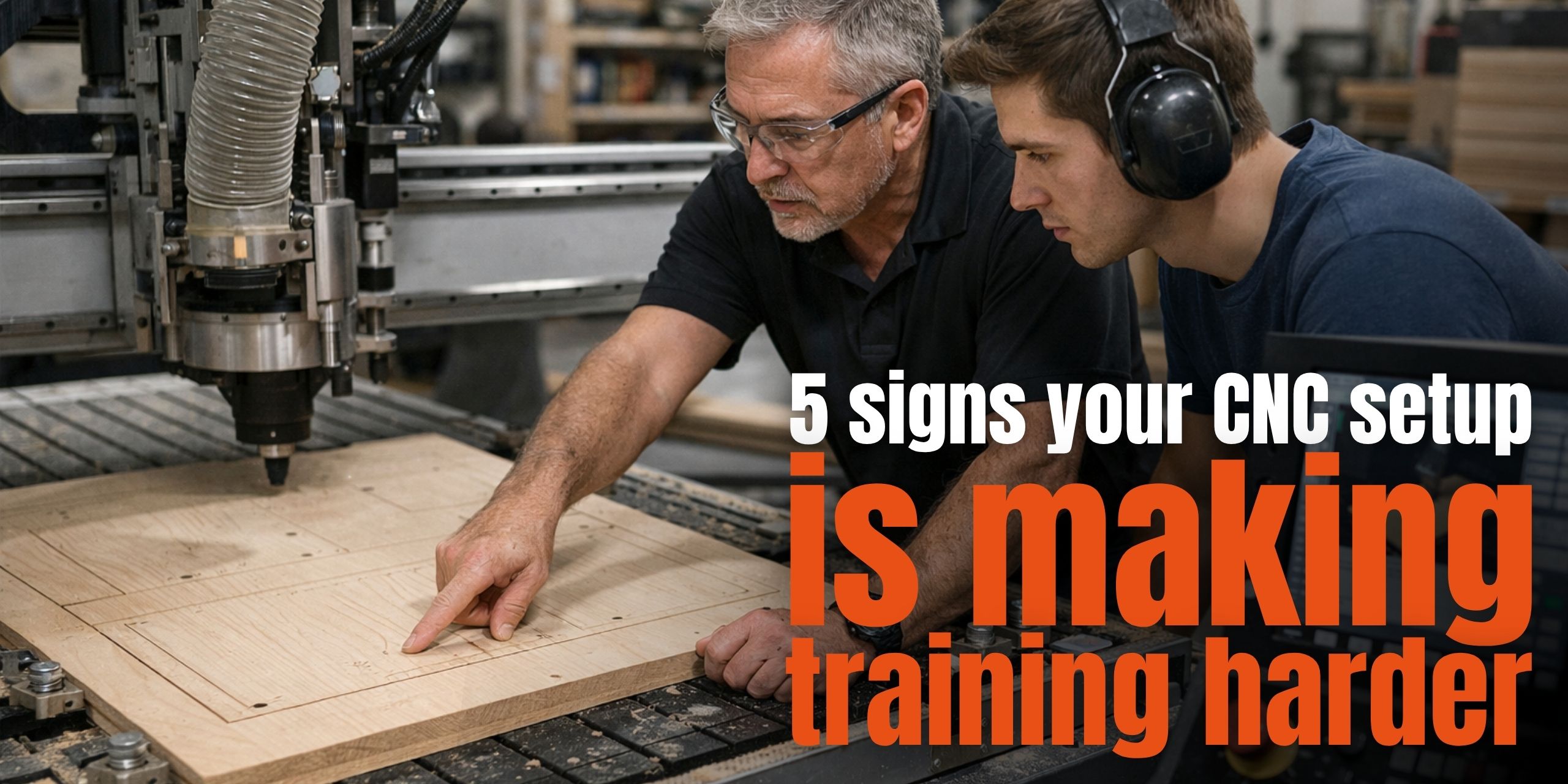
5 signs your CNC setup is making training harder
May / 2026
Where Remakes Really Come From in CNC Supported Joinery