CUSTOMER LOGIN

Why Some CNC Workshops Underquote Even When Demand Is Strong

Why Some CNC Workshops Underquote Even When Demand Is Strong

Strong demand should improve pricing power. Order books are healthy, enquiries keep coming in and capacity is clearly constrained. Yet many workshops find that busy periods do not translate into better margins.
Underquoting during high demand is not usually caused by market pressure. More often, it results from internal decision-making that has not kept pace with how the business now operates.
Pricing Is Set Once, but Conditions Don’t Stand Still
Many workshops still quote using pricing logic established years earlier.
Rates, margins and assumptions that were once appropriate often remain in place long after the business has changed. Processes evolve, job mix broadens and indirect costs increase, yet the underlying pricing framework is rarely revisited.
When demand is strong, there is even less incentive to question these foundations. Quoting becomes an execution task rather than a strategic one. Prices feel familiar and therefore safe, even if they no longer reflect current conditions.
Over time, this creates a widening gap between how work is priced and how it is actually delivered.

Quoting Happens Faster Than Understanding
Speed is often seen as a competitive advantage in quoting.
Enquiries are turned around quickly to maintain momentum and secure work. However, speed can come at the expense of understanding what a job genuinely requires from the business.
Estimating effort based on cutting time alone, or relying on averages designed for simpler work, leads to prices that are technically consistent but commercially fragile. The quote is produced efficiently, but without a full appreciation of the demands placed on programming, setup, coordination or finishing.
In this context, underquoting reflects how decisions are prioritised, not how accurately numbers are calculated.
Capacity Is Judged by Machines, Not by Flow
When demand is strong, capacity is often assessed through machine utilisation.
If the CNC router is running, the assumption is that the workshop is productive. What this view misses is how work moves between stages. Programming queues, material preparation, downstream processes and dispatch all influence how much work can actually be handled.
Quoting based on machine time alone assumes that the rest of the system will accommodate the job. When that assumption proves false, delivery pressure intensifies, but pricing remains unchanged.
This misalignment allows busy workshops to feel constantly stretched while still failing to improve commercial performance.
Customer Familiarity Suppresses Price Signals
Long-term customer relationships are a strength, but they can also distort pricing behaviour.
Familiar customers often receive quicker quotes, fewer questions and less scrutiny. There is an unspoken desire to maintain continuity and avoid friction, particularly when work is flowing steadily.
In strong demand environments, this familiarity can suppress important price signals. Quotes are shaped by past expectations rather than present realities. Adjustments that would be accepted in a more transactional relationship are avoided because they feel unnecessary or uncomfortable.
As a result, underquoting becomes habitual rather than a conscious decision.

Complexity Is Accepted as Normal Work
As workshops broaden their capabilities, complexity becomes part of everyday production.
Different materials, specialist finishes, tighter tolerances and shorter lead times are treated as routine rather than exceptional. While this reflects growing competence, it also changes the cost structure of the business.
When complexity is normalised, it stops influencing pricing in a meaningful way. Jobs are quoted as variations of the same process, even when they demand different levels of coordination, risk and attention.
Strong demand accelerates this effect. Complex work is accepted quickly to maintain throughput, without being clearly distinguished from simpler jobs in commercial terms.
Capability Can Delay Commercial Feedback
Not all workshops operate with the same level of CNC capability.
Some rely on older machines that require workarounds. Others run multiple routers dedicated to different materials or applications, adding complexity to scheduling and quoting. In these environments, limitations are visible and pricing is often more cautious as a result.
Where workshops invest in more reliable, consistent and versatile CNC routers, a different dynamic can emerge.
When a single machine handles a wide range of work without complaint, production continues to flow even when quotes are commercially misaligned. Jobs run. Deadlines are met. Problems do not show up as machine failures, but as sustained pressure on planning, operators and margins.
This capability is a strength, but it can also delay necessary scrutiny. Because work keeps moving, pricing assumptions are rarely revisited. Quotes are only questioned when something fails outright, rather than when performance gradually drifts away from profitability.
In this way, higher capability does not cause underquoting, but it can allow it to persist longer by reducing visible friction.

Underquoting Is a Pattern, Not a Problem
It is tempting to look for isolated causes when margins disappoint: a difficult job, a misjudged quote or an awkward customer.
In practice, underquoting during periods of strong demand is almost always patterned behaviour. It emerges from inherited pricing logic, accelerated decision-making and assumptions that no longer match how work flows through the business.
Addressing it requires less focus on market conditions and more attention to internal alignment.
Reconnecting Price to How the Business Operates
Workshops that improve commercial performance during busy periods tend to approach quoting differently.
They treat pricing as a reflection of how the business actually functions, not how it once did. Assumptions are challenged, complexity is differentiated and capacity is understood as a system rather than a single asset.
This does not require aggressive pricing or wholesale change. It requires clarity.
When pricing reflects operational reality, strong demand becomes an opportunity rather than a strain.
Support When Capability and Commercial Decisions Intersect
If you’re reviewing quoting practices and are also considering whether your current CNC setup is still fit for the range of work you’re taking on, it may be worth looking at both together.
For workshops planning to upgrade, Complete CNC Solutions offers a CNC router Trade-In Trade-Up programme designed to remove friction from the process. Trading in your existing machine avoids the need to find a buyer or organise removal. We handle assessment, valuation, removal and delivery, so you can transition smoothly to a new Tekcel CNC router and get back to work quickly.

Further Blog Posts
Oct / 2026
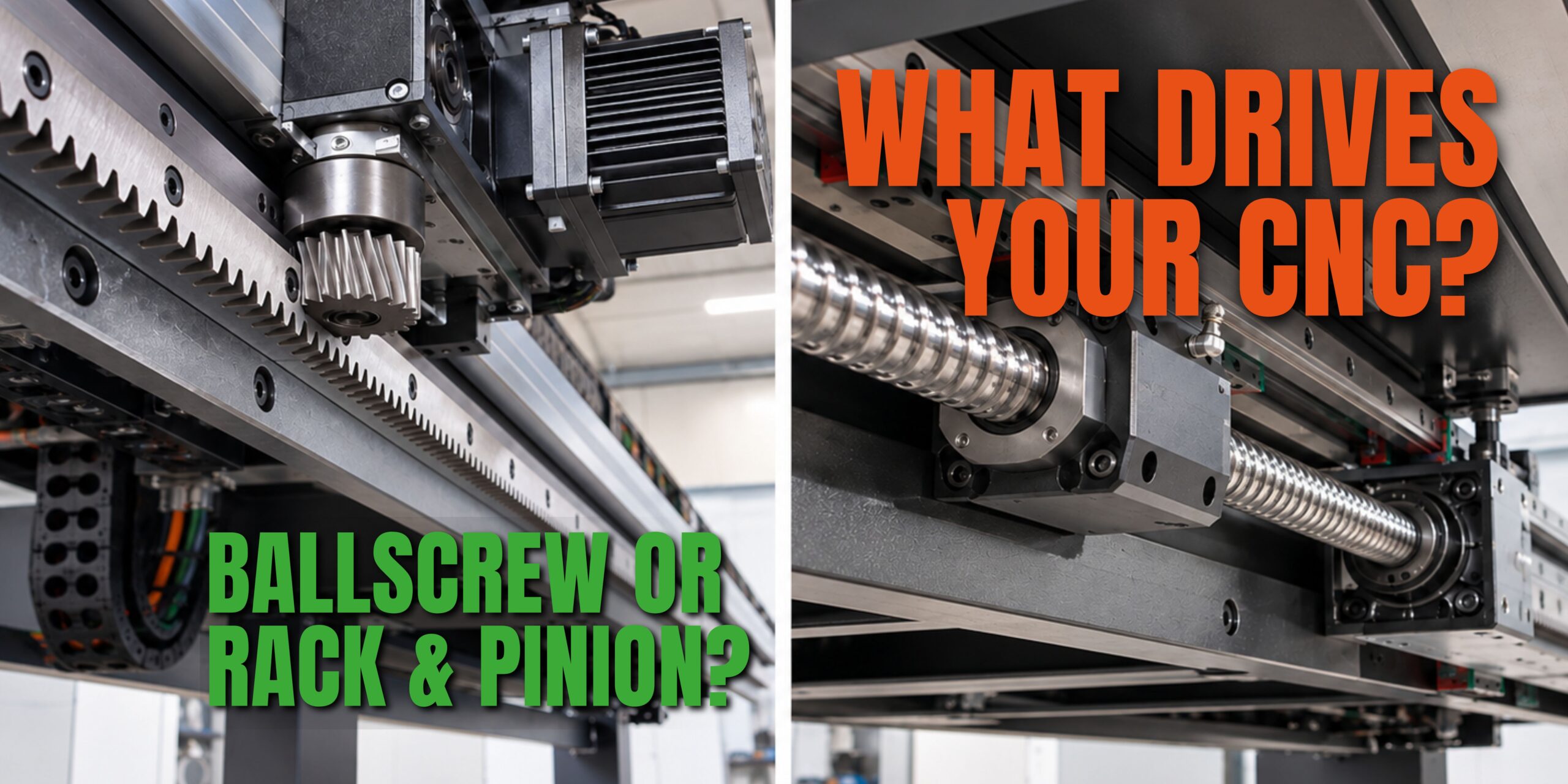
The Hidden Cost of Rack & Pinion vs Ballscrew CNC Drives
Sep / 2026
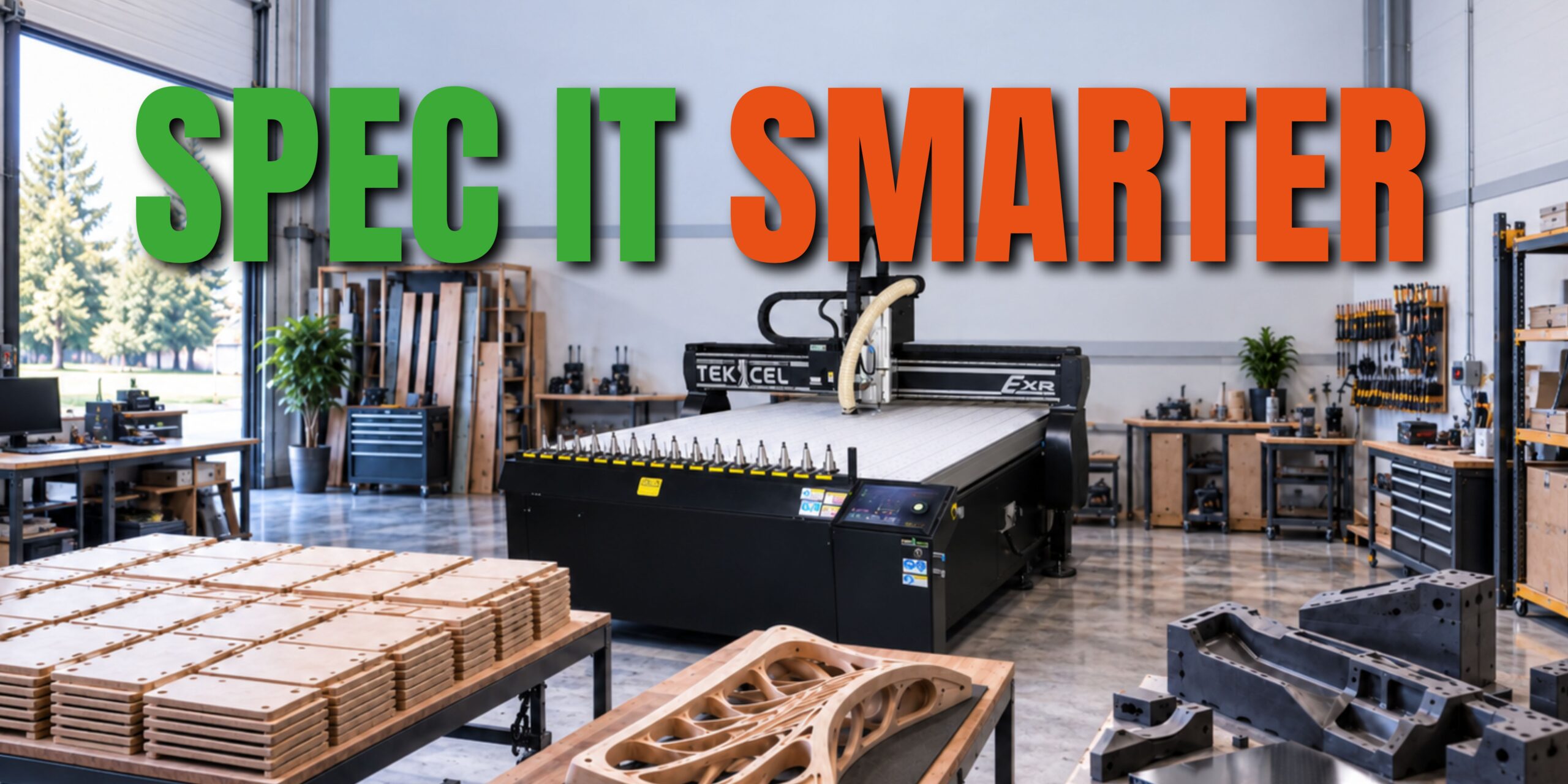
Choosing your next CNC router: which work should drive the decision?
Aug / 2026
BS 559-2: Three practical questions for signmakers

Aug / 2026
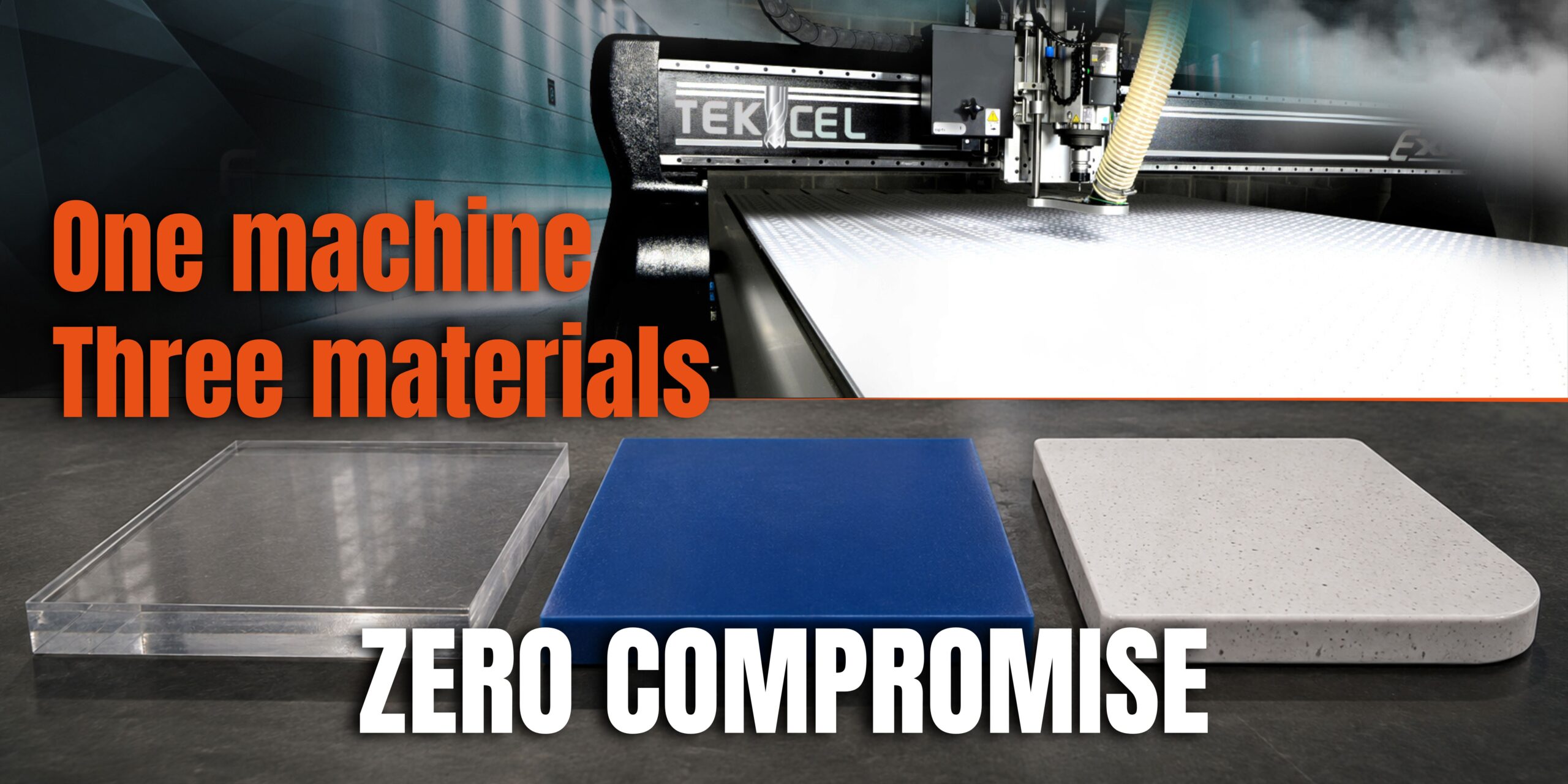
Routing polycarbonate, HDPE and solid surface: why material versatility starts with the machine
Jul / 2026
How CNC cutting is reshaping retail interiors and displays

Jul / 2026
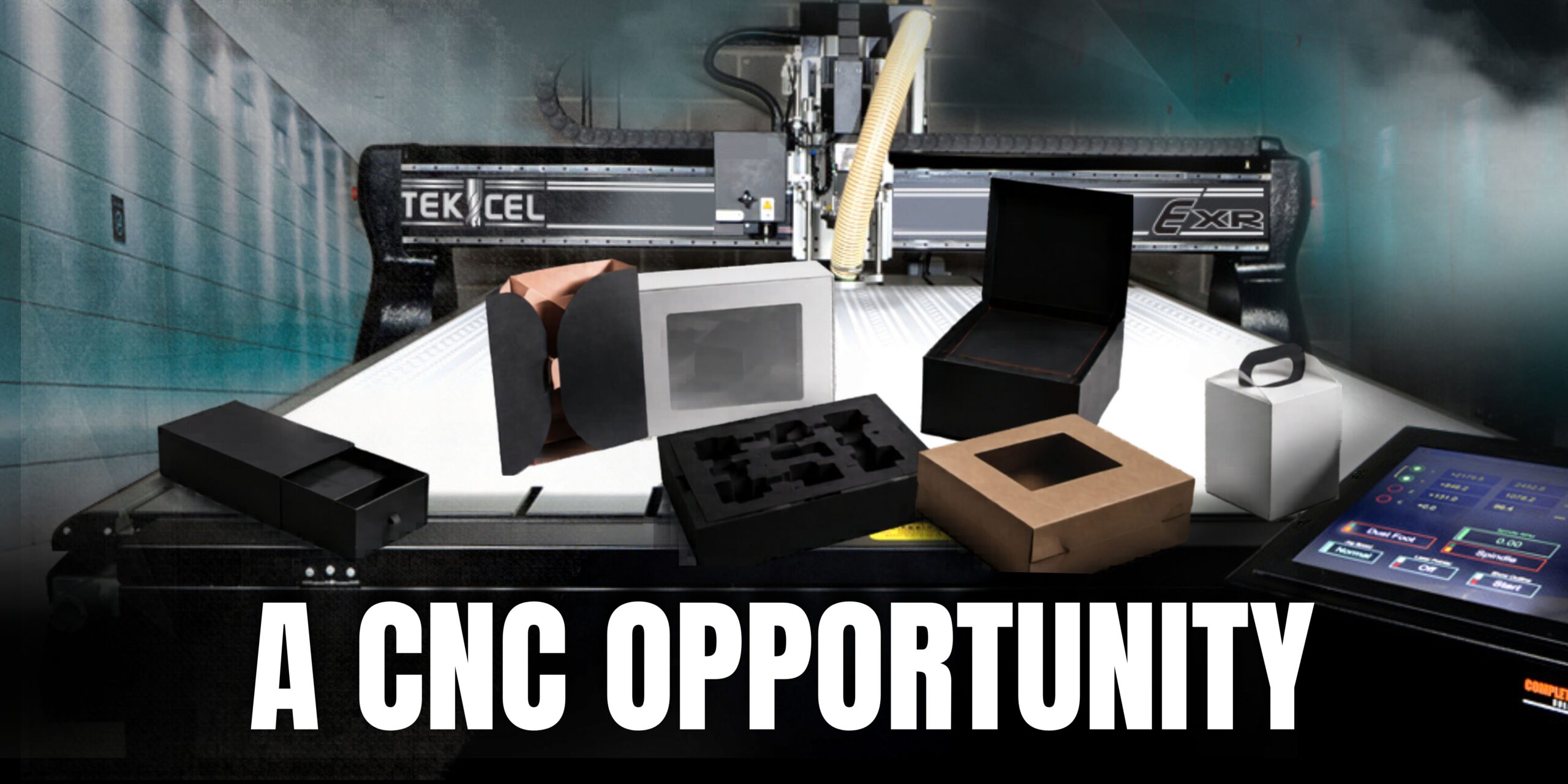
Why short-run structural packaging is becoming a CNC opportunity
Jun / 2026
The case for an ATC router in a metal fabrication shop
Jun / 2026
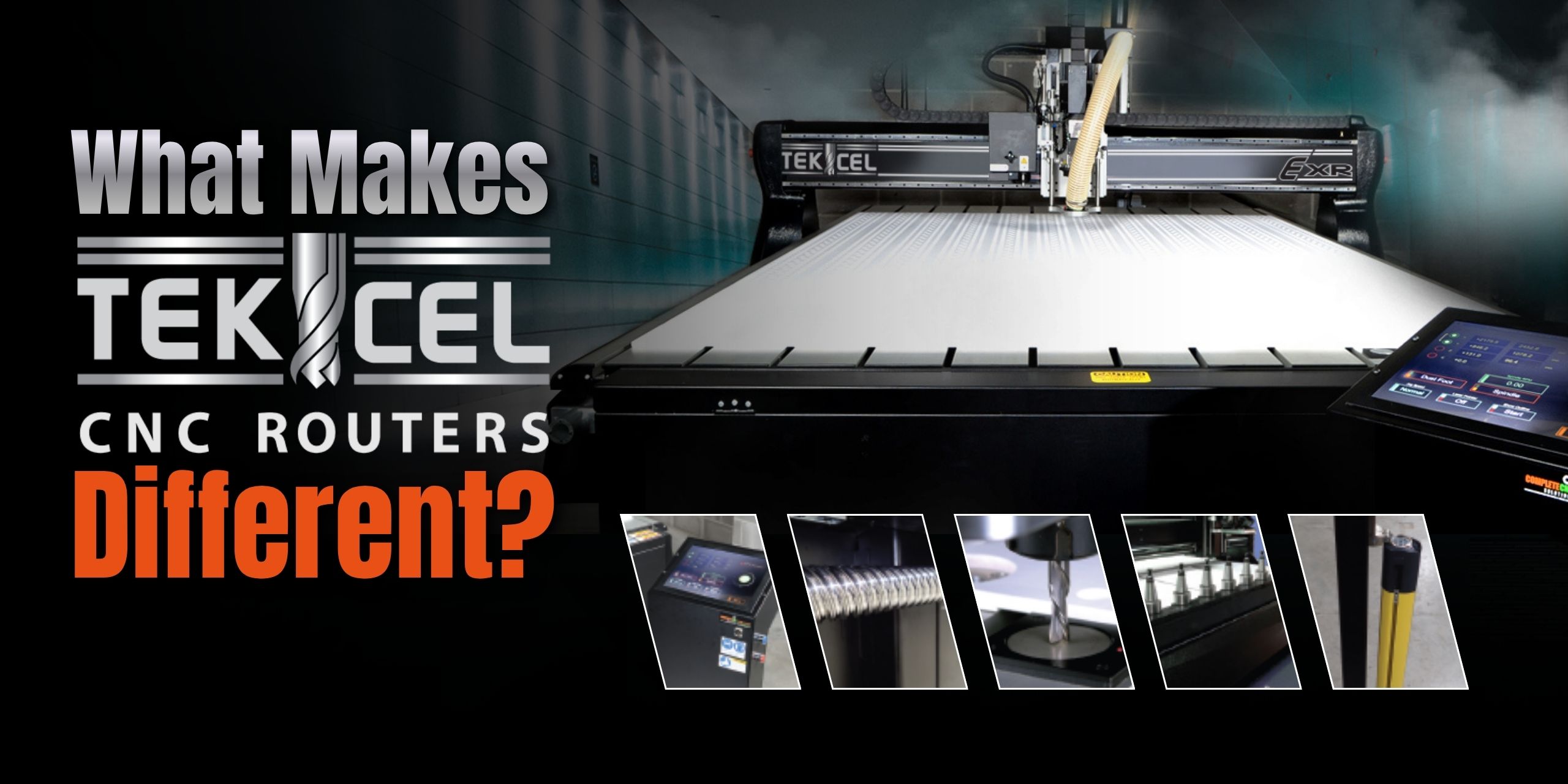
What makes the Tekcel EXR CNC Router different?