CUSTOMER LOGIN

Rethinking CNC Investment

Rethinking CNC Investment

Before 2020, CNC investment decisions were typically made within relatively stable operating conditions. Workflows were predictable, materials were familiar and job types tended to repeat. Buying a CNC router was largely about optimising known processes: improving throughput, reducing cycle times and maximising utilisation against steady demand.
Return on investment was measured against certainty. Machines were evaluated on how efficiently they could perform a defined set of tasks, often within a narrow production window that changed little over time.
That context has shifted.
A More Fragile Operating Environment
Since 2020, workshops across manufacturing, signage, joinery and fabrication have had to adapt to far greater uncertainty. Supply chains have become less reliable, material availability fluctuates and skilled labour is harder to replace when workloads change unexpectedly.
The result is not a lack of work, but a higher cost attached to disruption. When assumptions fail, the impact is immediate. Delays ripple through production, operators are stretched across unfamiliar tasks and margins are eroded by rework or inefficiency.
In this environment, CNC routers are no longer judged solely on how they perform when everything goes to plan. Increasingly, they are assessed on how well they maintain stability when conditions shift.

From Optimisation to Resilience
One of the most important changes in CNC buying priorities is the move away from narrow optimisation.
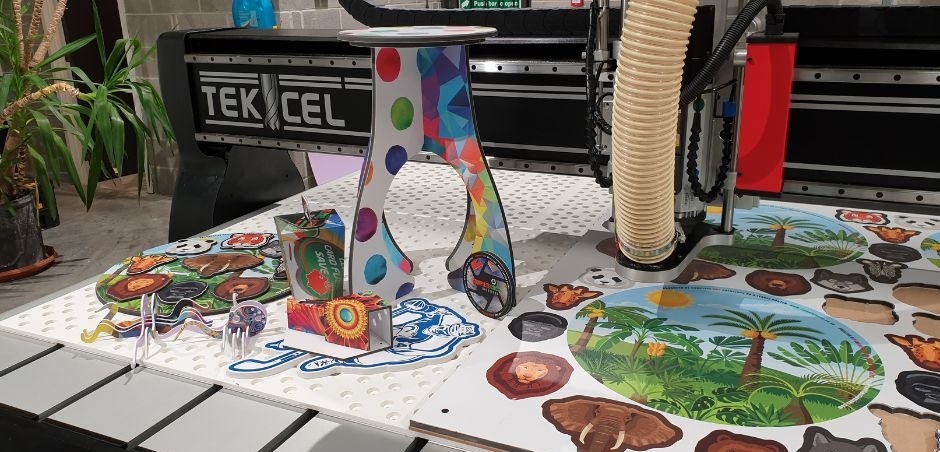
Many workshops now run a wider mix of materials, batch sizes and applications than they did five years ago. A single week may involve aluminium composite material, plastics, wood-based boards and specialist substrates, often with little notice and tight delivery windows.
With limited spare capacity, variation cannot be absorbed quietly. Machines need to cope with change without forcing constant process re-engineering or operator intervention.
As a result, CNC investment is increasingly about resilience rather than peak efficiency. Buyers are asking whether a machine can handle variation consistently, not just whether it can deliver maximum performance on a benchmark job.
Capability Is Now Defined by Range
This shift has reshaped how capability is understood.
Historically, capability was often associated with pushing limits: faster cutting speeds, higher spindle power or headline specifications designed to impress in isolation. Today, capability is more often measured by range and consistency.
A capable CNC router is one that can move between different materials, tooling setups, and applications with minimal disruption. It maintains edge quality, accuracy, and reliability across mixed workloads, rather than excelling in one narrow scenario.
This is where platform-style machine design has become more relevant. Routers that are engineered to support a broad set of processes, accessories, and future upgrades give workshops the ability to adapt without destabilising existing workflows.
Scaling Means Accepting More Types of Work
The definition of scale has also changed.
Before 2020, scaling typically meant increasing volume. Growth was achieved by running more of the same work, faster and more efficiently. Investment decisions were therefore weighted towards throughput and cycle time reduction.
Today, growth more often comes from accepting a wider range of work without increasing complexity, staffing pressure or operational risk. Workshops scale by saying “yes” to more varied jobs, not simply by repeating the same ones.
A CNC router that supports this approach provides a stable baseline across different applications. It allows businesses to expand their offering without sacrificing predictability, which becomes increasingly important as work becomes more fragmented and less forecastable.
CNC Routers as Operational Anchors
These changes have altered how CNC routers are viewed within a business.
Rather than being treated purely as production tools, they are increasingly seen as operational anchors. The capabilities of a machine influence quoting decisions, production planning and how easily operators can switch between tasks.
When CNC buying decisions reflect this wider role, attention shifts away from isolated specifications and towards how well a machine integrates into the overall operation. Factors such as rigidity, repeatability, tooling compatibility, control stability and long-term support become central to the discussion.
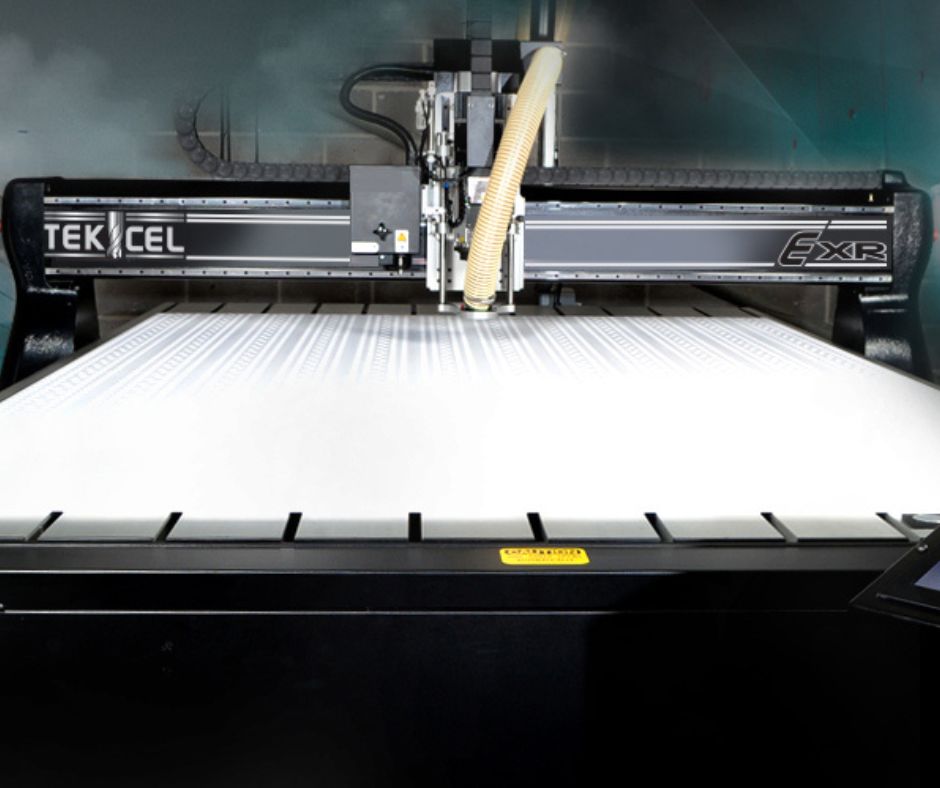
This is where machines designed with flexibility and longevity in mind, such as Tekcel CNC routers, tend to align well with modern buying priorities. Their emphasis on structural stability, adaptable configurations and long-term serviceability supports the need for consistent performance across changing demands, without relying on constant reinvestment or compromise.
Buying for the Next Unknown
Perhaps the most significant change in CNC buying priorities since 2020 is the mindset behind the decision.
Investments are now made with the next unknown in mind, not just the current workload. Workshops that adapt well tend to prioritise machines that give them room to respond, rather than those optimised for a single moment in time.
This is not about spending more unnecessarily. It is about recognising that the cost of instability no longer sits quietly in the background. It shows up in planning pressure, staffing strain, and customer expectations.
CNC routers that succeed in this environment are those that help businesses remain composed as conditions change. They provide consistency across variation, allowing workshops to focus on delivery rather than firefighting.
Making CNC Decisions with Perspective
CNC buying priorities have evolved because the operating environment has evolved. The question is no longer how a machine performs under ideal conditions, but how well it supports a business through uncertainty.
Approaching CNC investment with this perspective encourages more durable decisions. It places value on adaptability, integration and long-term capability rather than short-term optimisation.
For workshops reassessing their CNC strategy, that shift in thinking can be as important as the machine itself.
Support When CNC Decisions Matter
If you’re reviewing CNC options with long-term capability, flexibility and operational stability in mind, the team at Complete CNC Solutions can provide practical guidance based on real-world applications and changing production demands.
Further Blog Posts
Oct / 2026
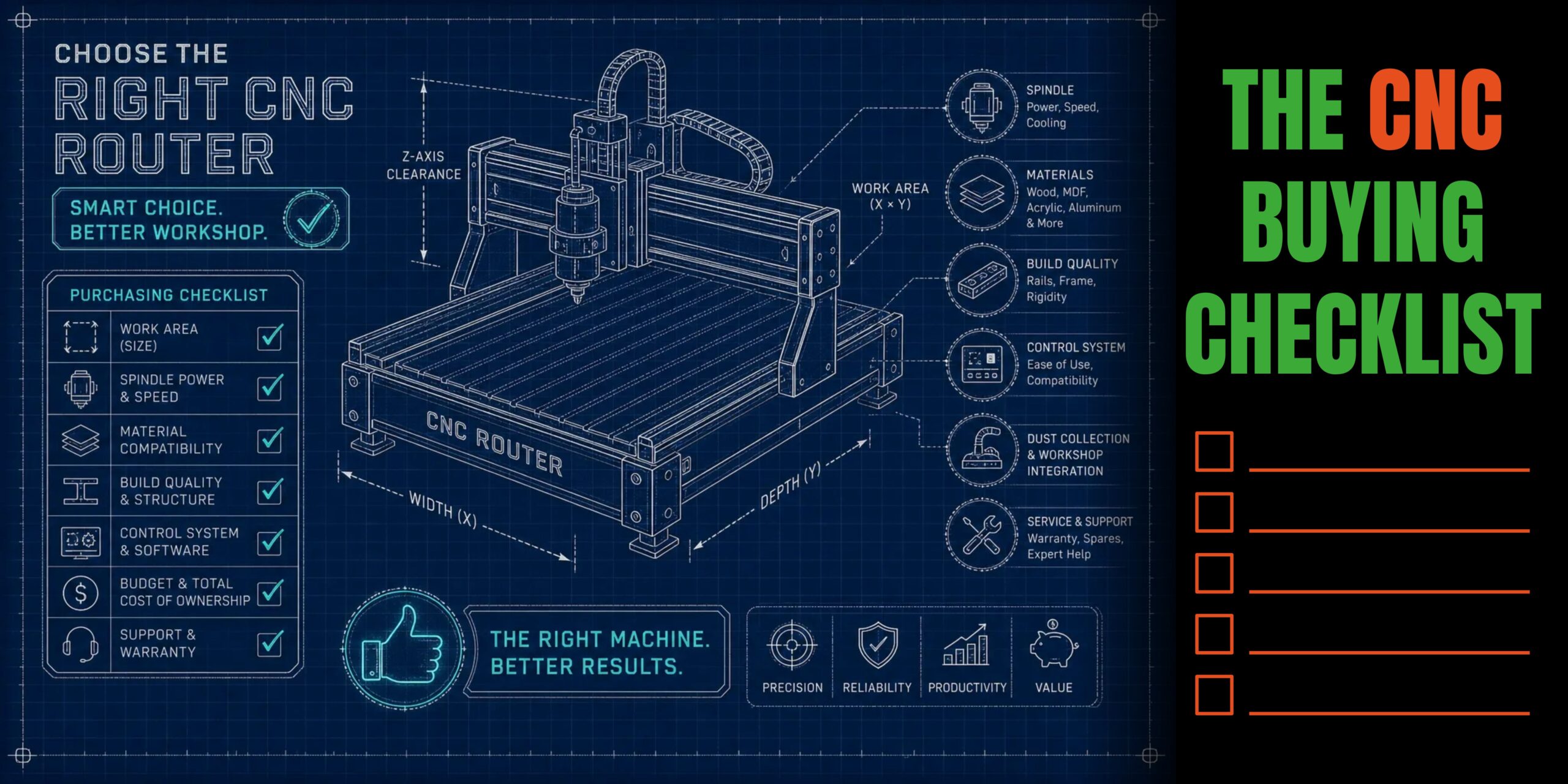
CNC router buying checklist: what to compare before you invest
Oct / 2026
The Hidden Cost of Rack & Pinion vs Ballscrew CNC Drives
Sep / 2026
Choosing your next CNC router: which work should drive the decision?
Aug / 2026
BS 559-2: Three practical questions for signmakers

Aug / 2026
Routing polycarbonate, HDPE and solid surface: why material versatility starts with the machine
Jul / 2026
How CNC cutting is reshaping retail interiors and displays

Jul / 2026
Why short-run structural packaging is becoming a CNC opportunity
Jun / 2026
The case for an ATC router in a metal fabrication shop